

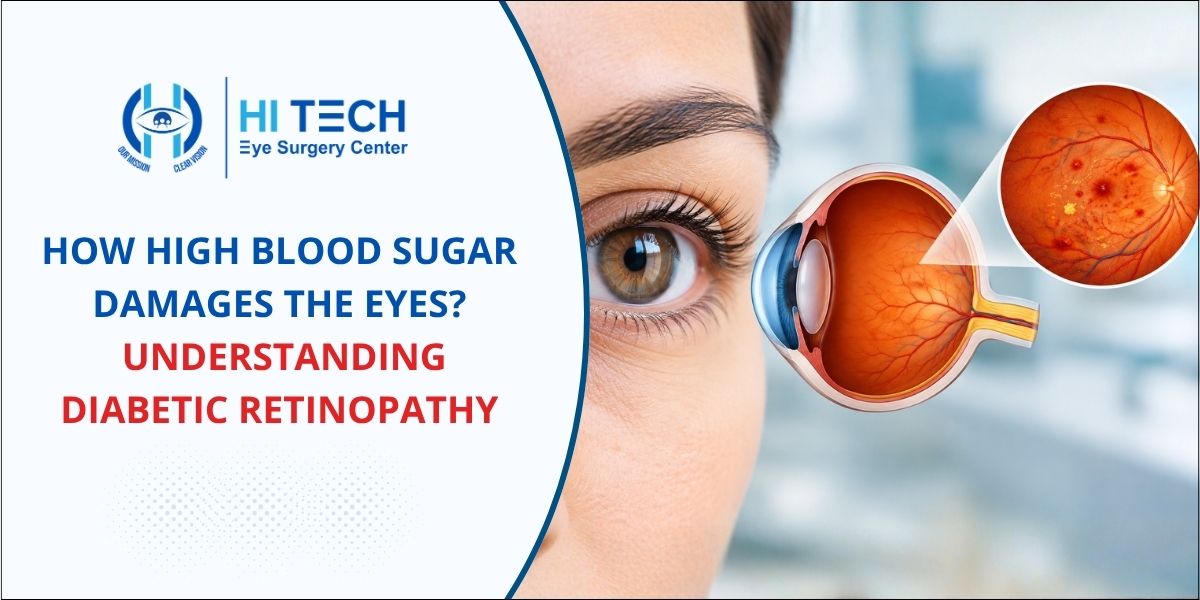
Diabetes can affect many parts of the body, but one area that is often overlooked is the eyes. When blood sugar remains high for a long time, it can gradually damage the tiny blood vessels that supply the retina—the light-sensitive tissue at the back of the eye. This condition is called diabetic retinopathy.
The worrying part is that diabetic retinopathy may develop without obvious symptoms in the early stages. A person may have good vision and still have changes happening inside the eye. This is why regular eye examinations are especially important for people living with diabetes.
What Is Diabetic Retinopathy?
Diabetic retinopathy is an eye condition caused by damage to the blood vessels of the retina due to prolonged high blood sugar levels.
The retina needs a healthy blood supply to function properly. High blood sugar can weaken and damage these small blood vessels. They may start leaking fluid or blood, or become blocked. As the condition progresses, the eye may try to grow new blood vessels, but these abnormal vessels are fragile and can bleed easily.
If diabetic retinopathy is not detected and treated at the right time, it can lead to serious vision problems and, in advanced cases, permanent vision loss.
How Does High Blood Sugar Damage the Eyes?
High blood sugar affects the eyes gradually. The small blood vessels in the retina are particularly vulnerable.
Here is what can happen:
1. Blood vessels become weak
Persistently high blood sugar can damage the walls of tiny retinal blood vessels. These vessels may develop small bulges and begin leaking blood or fluid into the retina.
2. Fluid can collect in the retina
When damaged blood vessels leak fluid, it can cause swelling in the retina. If this swelling affects the macula—the central part of the retina responsible for sharp vision—it is known as diabetic macular edema (DME).
DME can make activities such as reading, recognizing faces or driving more difficult.
3. Blood vessels may become blocked
Diabetes can also cause retinal blood vessels to become blocked. When parts of the retina do not receive enough oxygen, the eye may respond by trying to grow new blood vessels.
4. Abnormal blood vessels can develop
These new vessels are fragile and do not function normally. They can bleed into the vitreous, the clear gel inside the eye. This may cause sudden floaters, cloudy vision or a significant reduction in sight.
In advanced diabetic retinopathy, scar tissue may also develop and pull on the retina, potentially causing a retinal detachment.
What Are the Symptoms of Diabetic Retinopathy?
Early diabetic retinopathy often causes no noticeable symptoms. This is one of the main reasons routine eye screening is so important.
As the condition progresses, symptoms may include:
- Blurred or fluctuating vision
- Dark spots or floaters in your vision
- Difficulty seeing at night
- Distorted vision
- A sudden increase in floaters
- Dark or empty areas in the field of vision
- Sudden loss of vision
A sudden change in vision should not be ignored. Prompt evaluation by an eye specialist can help identify the cause and determine whether treatment is required.
Who Is at Risk?
Anyone with diabetes can develop diabetic retinopathy. However, the risk generally increases with longer duration of diabetes and poor blood sugar control.
Other factors can also contribute to the risk, including:
- High blood pressure
- High cholesterol
- Pregnancy in women with diabetes
- Kidney disease
- Smoking
- Poorly controlled blood sugar
Having diabetes does not mean that a person will definitely lose their vision. Early detection and appropriate management can significantly reduce the risk of severe complications.
Can Diabetic Retinopathy Be Prevented?
The good news is that there are several steps people with diabetes can take to protect their eyes.
- Keep blood sugar under control: Following your diabetes treatment plan and maintaining healthy glucose levels can help reduce the risk of diabetic eye complications.
- Monitor blood pressure and cholesterol: Keeping these under control is also important for overall eye and cardiovascular health.
- Get regular eye examinations: A comprehensive diabetic eye examination can identify retinal changes before symptoms appear.
- Follow a healthy lifestyle: Regular physical activity, a balanced diet and avoiding smoking can support better diabetes management and overall health.
Most importantly, do not wait for your vision to become blurry before getting your eyes checked.
How Is Diabetic Retinopathy Treated?
Treatment depends on the stage and severity of the condition.
In mild cases, your eye specialist may recommend regular monitoring along with better control of diabetes and other health conditions.
For more advanced disease, treatment may include intravitreal injections, laser treatment or surgery, depending on the retinal changes present.
Intravitreal medicines may be used to reduce retinal swelling and abnormal blood vessel activity. Laser treatment can help manage certain retinal changes. In severe cases involving bleeding or traction on the retina, a retinal surgery such as vitrectomy may be considered.
The most appropriate treatment is determined after a detailed retinal examination.
Why Regular Eye Screening Matters
One of the biggest challenges with diabetic retinopathy is that vision may remain normal during the early stages. By the time noticeable symptoms develop, significant retinal damage may already have occurred.
Regular screening allows an ophthalmologist to detect changes early and decide whether monitoring or treatment is needed.
If you have diabetes, make eye examinations part of your regular healthcare routine—even when your vision seems perfectly fine.
Visit Hi Tech Eye Surgery Center for Diabetic Retinopathy Treatment in Pune
Hi Tech Eye Surgery Center offers complete eye care for people with diabetes and diabetic eye problems. If you are experiencing blurred vision, floaters, or any other changes in your eyesight, our eye specialists can check your retina and suggest the right treatment. Regular eye check-ups are important for people with diabetes, as they can help detect diabetic retinopathy early. Hi Tech Eye Surgery Center provides Diabetic Retinopathy Treatment in Pune, focusing on early diagnosis, proper treatment, and helping protect your vision for the long term.
Frequently Asked Questions
1. Can diabetes cause permanent vision loss?
Yes. If diabetic retinopathy becomes advanced and is not treated, it can cause severe and potentially permanent vision loss.
2. Can diabetic retinopathy be cured completely?
Treatment can control diabetic retinopathy and prevent or reduce further vision loss, but the appropriate outcome depends on the stage and extent of retinal damage.
3. Does diabetic retinopathy cause pain?
Usually, diabetic retinopathy does not cause eye pain, especially in its early stages. Vision changes may occur without discomfort.
4. How often should a person with diabetes have an eye check-up?
The frequency depends on the type of diabetes, retinal findings and individual risk factors. Your ophthalmologist can recommend the appropriate screening schedule.
5. Can controlling blood sugar improve eye health?
Yes. Good blood sugar control can help reduce the risk of diabetic retinopathy progressing and is an important part of protecting eye health.

