

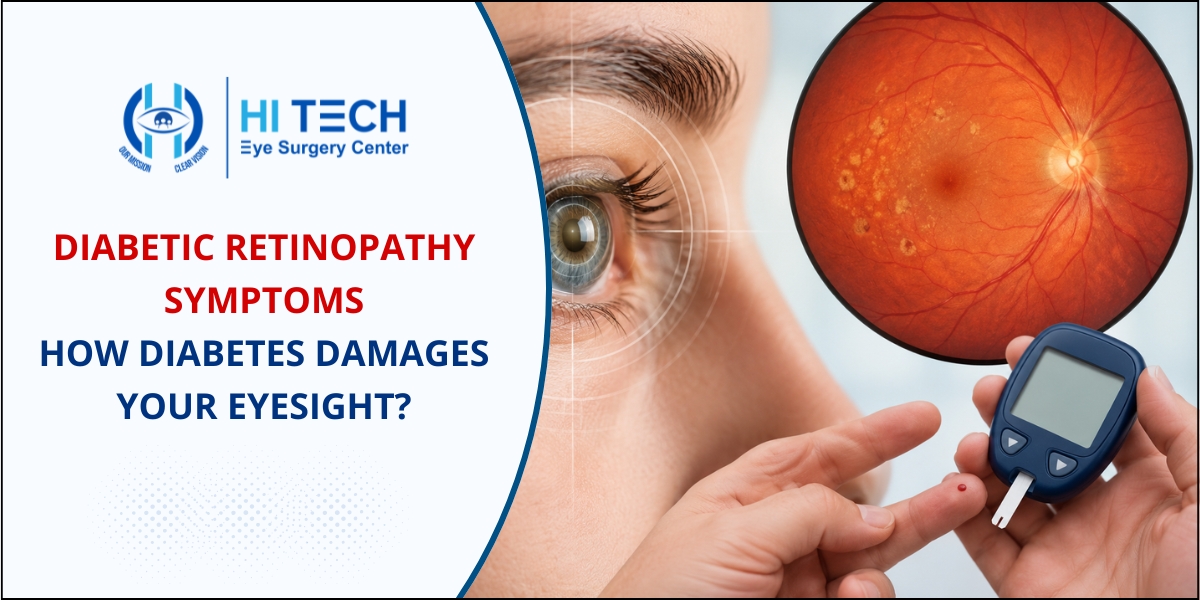
Diabetes is a long-term health condition that affects millions of people worldwide. While most people know that diabetes can impact the heart, kidneys, and nerves, many are unaware that it can also seriously damage the eyes. One of the most common eye complications caused by diabetes is diabetic retinopathy, a condition that can lead to vision loss if left untreated.
What Is Diabetic Retinopathy?
Diabetic retinopathy is an eye disease that affects the retina, the light-sensitive layer at the back of the eye. High blood sugar levels damage the tiny blood vessels in the retina, causing them to leak, swell, or become blocked. As the condition progresses, abnormal new blood vessels may grow, increasing the risk of severe vision loss.
Both Type 1 and Type 2 diabetes can lead to diabetic retinopathy, especially if blood sugar levels remain uncontrolled for many years.
How Diabetes Damages Your Eyesight
High blood sugar weakens the small blood vessels inside the retina over time. This can result in:
- Leakage of blood or fluid into the retina
- Swelling of the central retina (macular edema)
- Reduced oxygen supply to retinal tissue
- Growth of fragile new blood vessels
- Scar tissue formation that may cause retinal detachment
Without treatment, these changes can permanently affect your vision.
Common Symptoms of Diabetic Retinopathy
One of the biggest challenges is that diabetic retinopathy often develops without noticeable symptoms in its early stages. As the disease progresses, you may experience:
– Blurred Vision
Vision may become cloudy or blurry, making it difficult to read, drive, or recognize faces.
– Floaters
Small dark spots, strings, or cobweb-like shapes floating across your vision may indicate bleeding inside the eye.
– Fluctuating Vision
Your eyesight may vary from day to day depending on blood sugar levels and retinal health.
– Dark or Empty Areas in Vision
Some parts of your visual field may appear missing or shadowed.
– Poor Night Vision
Seeing clearly in dim lighting may become increasingly difficult.
– Sudden Vision Loss
In advanced stages, severe bleeding or retinal detachment can cause sudden vision loss, requiring immediate medical attention.
Who Is at Higher Risk?
Certain factors increase the likelihood of developing diabetic retinopathy:
- Having diabetes for many years
- Poor blood sugar control
- High blood pressure
- High cholesterol
- Smoking
- Pregnancy in women with diabetes
- Kidney disease
Regular eye examinations are especially important if you have one or more of these risk factors.
How Is Diabetic Retinopathy Diagnosed?
An eye specialist can detect diabetic retinopathy through a comprehensive eye examination. Diagnostic tests may include:
- Dilated eye examination
- Optical Coherence Tomography (OCT)
- Fundus photography
- Fluorescein angiography
These tests help identify retinal swelling, leaking blood vessels, and other changes before symptoms become severe.
Treatment Options
Treatment depends on the stage of diabetic retinopathy.
– Blood Sugar Management
Maintaining healthy blood sugar, blood pressure, and cholesterol levels is the first step in slowing disease progression.
– Eye Injections
Anti-VEGF medications help reduce abnormal blood vessel growth and retinal swelling.
– Laser Treatment
Laser therapy seals leaking blood vessels and reduces the risk of further retinal damage.
– Vitrectomy Surgery
Advanced cases with significant bleeding or retinal detachment may require surgery to restore vision.
Tips to Protect Your Eyes
You can reduce your risk of vision loss by:
- Keeping blood sugar under control
- Monitoring blood pressure regularly
- Following a healthy diet
- Exercising consistently
- Taking diabetes medications as prescribed
- Quitting smoking
- Scheduling annual comprehensive eye examinations
Early detection is the most effective way to prevent complications.
When Should You See an Eye Specialist?
Consult an eye specialist immediately if you notice:
- Blurred or distorted vision
- Sudden vision loss
- Floaters
- Flashes of light
- Difficulty reading or driving
Prompt treatment significantly improves the chances of preserving your vision.
Visit Hi Tech Eye Surgery Center – Best Eye Hospital in Pune
Diabetic retinopathy is one of the leading causes of preventable blindness among adults with diabetes. Since early stages often have no symptoms, regular eye checkups are essential—even if your vision seems normal. Maintaining good diabetes control and seeking timely treatment can help protect your eyesight for years to come.
If you are experiencing vision changes or have diabetes and looking for Diabetic Retinopathy Treatment in Pune visit Hi Tech Eye Surgery Center – for comprehensive eye evaluation, advanced diagnostics, and expert treatment to safeguard your vision.


