

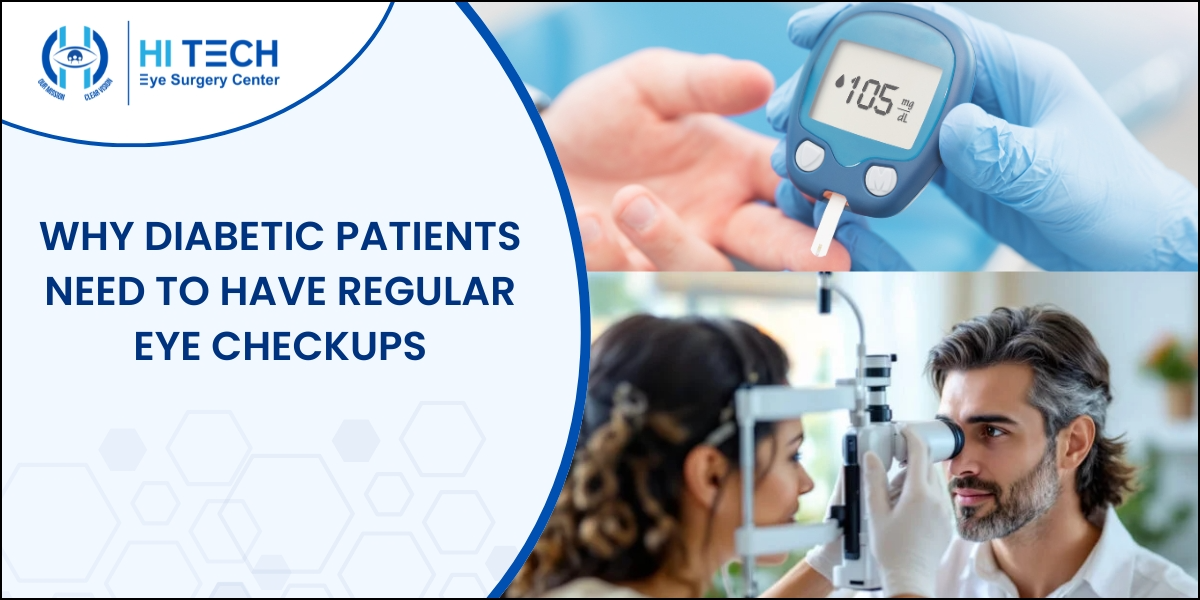
Living with diabetes involves a careful balance of monitoring blood sugar, maintaining a healthy diet, and staying active. But often, one critical aspect of health gets overlooked: eye care. Many diabetic patients believe that as long as their vision seems clear, their eyes are healthy. This is a dangerous misconception.
The truth is, diabetes can silently damage your eyes long before you notice any change in your eyesight. Regular, comprehensive eye exams are not just a recommendation; they are a vital part of diabetes management that can save your vision.
The Silent Threat: How Diabetes Affects Your Eyes
Diabetes affects the body’s ability to produce or use insulin effectively, leading to high blood sugar levels. Over time, this excess sugar can damage blood vessels throughout the body, including the delicate, tiny ones in your eyes—particularly in the retina.
The retina is the light-sensitive tissue at the back of your eye, essential for clear vision. Damage to these retinal blood vessels can lead to a group of sight-threatening conditions known as Diabetic Eye Disease.
Understanding Diabetic Retinopathy
Diabetic retinopathy occurs when high blood sugar levels cause the retinal blood vessels to weaken, leak, or become blocked. In its early stages (non-proliferative diabetic retinopathy), you may have no symptoms at all. As it progresses, it can lead to:
- Macular Edema: The macula is the central part of the retina responsible for sharp, straight-ahead vision. When fluid leaks into the macula, it swells, causing blurry vision.
- Proliferative Diabetic Retinopathy: In this advanced stage, the retina becomes oxygen-starved and triggers the growth of new, abnormal blood vessels. These vessels are fragile and can leak blood into the vitreous (the gel-like fluid in your eye), causing floaters, dark streaks, and even a complete loss of vision if they lead to retinal detachment.
The insidious nature of diabetic retinopathy is that it often has no warning signs until the damage is significant and vision loss becomes irreversible.
Other Diabetes-Related Eye Conditions
Beyond retinopathy, diabetes increases your risk for other serious eye problems:
- Cataracts: Diabetics are 2-5 times more likely to develop cataracts, and they tend to develop them at a younger age. Cataracts cause the eye’s natural lens to become cloudy, blurring vision.
- Glaucoma: The risk of developing glaucoma—a group of diseases that damage the optic nerve—is nearly double for diabetics. This often involves increased pressure inside the eye and can lead to peripheral vision loss.
Why “Regular” Means Every Year
You cannot rely on noticing symptoms. A comprehensive dilated eye exam is the only way to detect these problems early. During this exam, your eye doctor uses drops to widen your pupils, allowing them to:
- Get a clear view of your retina, optic nerve, and blood vessels.
- Identify signs of leaking blood vessels, macular swelling, fatty deposits, and nerve damage.
- Detect problems long before you experience any vision changes.
The American Diabetes Association recommends that adults with type 1 diabetes have a comprehensive eye exam within 5 years of diagnosis and annually thereafter. Those with type 2 diabetes should have an exam immediately after diagnosis and then every year. Your doctor may suggest more frequent exams if you already show signs of eye disease.
Protecting Your Vision: Prevention and Early Intervention
The good news is that with proactive care, the risk of severe vision loss from diabetic eye disease can be reduced by up to 95%. The three pillars of prevention are:
- Control Your Blood Sugar: Keeping your HbA1c levels within your target range is the single most important thing you can do to prevent eye damage.
- Manage Blood Pressure and Cholesterol: High blood pressure and cholesterol can exacerbate eye damage.
- Commit to Annual Eye Exams: Do not skip your yearly appointment, even if you think your vision is perfect.
If your eye doctor does detect an issue, early treatment is highly effective. Treatments like intravitral injections, laser therapy, and advanced surgical procedures can halt the progression of the disease and save your existing vision.
Your Partner in Vision Care: Hi Tech Eye Surgery Center – Best Eye Hospital in Pune
When your vision is at stake, you deserve nothing but the best care from experienced specialists. For diabetic patients in Pune, the Hi Tech Eye Surgery Center stands as a premier destination for comprehensive diabetic eye care.
Whether you require routine diabetic eye screening in Pune, advanced cataract surgery in Pune, or specialized glaucoma treatment in Pune, their commitment to cutting-edge care and patient well-being is unmatched.
Don’t let diabetes dim your view of the world. Take control of your eye health today. Schedule your dilated eye examat Hi Tech Eye Surgery Center, the best eye care hospital in Pune.


