

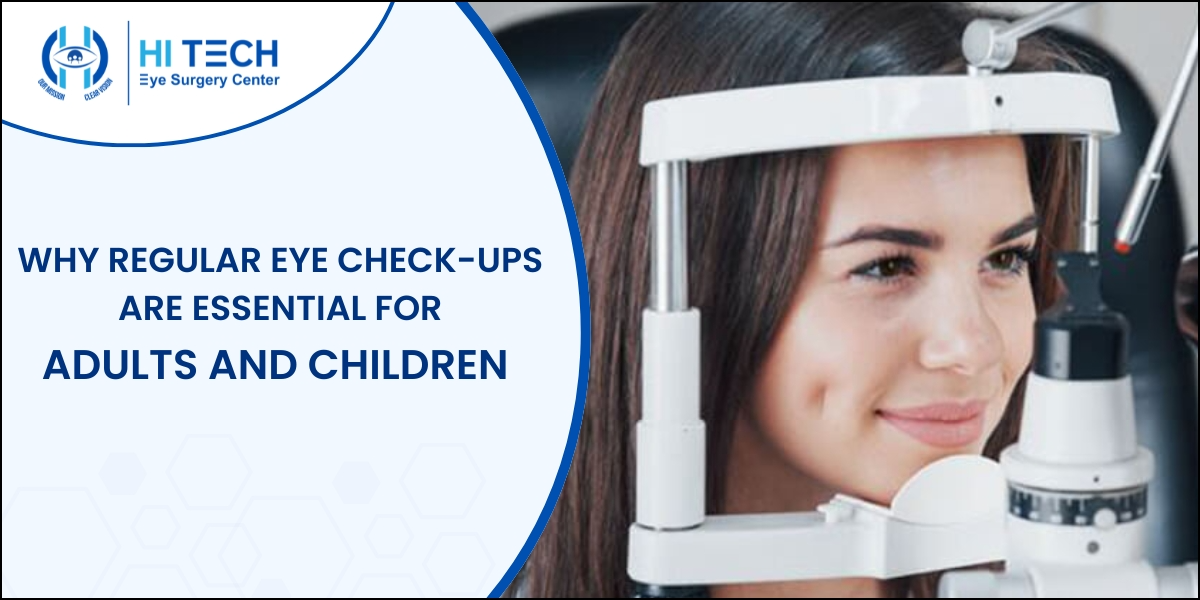
Eye Health Matters: Why Regular Check-ups Are Crucial for All Ages
We rarely think about our eyes until something goes wrong. We schedule dental cleanings, annual physicals, and other health appointments, but often, comprehensive eye exams fall by the wayside. The truth is, routine eye check-ups are a critical component of overall wellness, not just for correcting blurry vision but for protecting one of our most vital senses. This is true for both adults and children, whose visual needs are vastly different but equally important.
For Children: Building a Foundation for Learning
A child’s world is one of exploration and learning, and over 80% of that learning is visual. Undetected vision problems can significantly hinder a child’s academic performance, coordination, and even social development.
- Early Detection is Key: Conditions like amblyopia (lazy eye) or strabismus (crossed eyes) are best treated early in childhood. An eye doctor can detect these issues long before a parent might notice.
- The “School Vision Screen” Isn’t Enough: While helpful, school screenings primarily test for distance vision. They often miss problems with near vision, eye tracking, focusing, and binocular vision—all essential skills for reading and writing.
- Unlocking Potential: A comprehensive eye exam can identify these hidden issues, ensuring your child has the visual tools they need to succeed in and out of the classroom.
If you are looking for a pediatric eye specialist in Pune, you are looking for a children’s eye doctor. These special doctors are experts in checking the eyes of babies, kids, and teenagers. They can find and fix common problems like a lazy eye or if a child needs glasses. Find a good child eye doctor in Pune at Hi Tech Eye Surgery Center. Getting your child’s eyes checked early can help prevent bigger problems later on.
For Adults: Preserving Vision and Protecting Health
For adults, eye exams become about more than just updating a glasses prescription. They are a proactive measure to preserve sight and detect systemic health issues.
- The Silent Thief of Sight: Glaucoma often has no symptoms in its early stages but can cause irreversible vision loss. Regular check-ups, which include measuring internal eye pressure, are the only way to catch it early.
- A Window to Your Overall Health: An optometrist or ophthalmologist can detect signs of serious health conditions like diabetes, high blood pressure, high cholesterol, and even certain autoimmune diseases by examining the blood vessels and retina at the back of your eye.
- Combating Digital Strain: In our screen-centric world, adults are experiencing digital eye strain at unprecedented rates. An eye doctor can provide solutions, from specialized lens coatings to vision therapy, to keep your eyes comfortable.
Make Eye Exams a Family Habit
Vision changes can be gradual and go unnoticed. Don’t wait for a problem to arise. Scheduling regular comprehensive eye exams is a simple, powerful investment in your family’s quality of life, long-term health, and continued learning.
Visit Hi Tech Eye Surgery Center – Best Eye Hospital in Pune
When it comes to your family’s precious eyesight, trust only the best in care. Hi Tech Eye Surgery Center is a leading eye hospital in Pune, offering state-of-the-art diagnostic technology and a team of the best ophthalmologists in Pune. We provide comprehensive services, from advanced cataract surgery and LASIK to specialized pediatric ophthalmology and retina treatment, ensuring complete eye care for every member of your family.
Frequently Asked Questions (FAQs)
1. How often should you get your eyes checked?
Adults should have a comprehensive eye exam every one to two years, while children should have their first exam at 6 months, another at age 3, and before starting school, followed by annual check-ups.
2. What is the difference between a vision screening and an eye exam?
A vision screening is a basic test that can identify potential vision problems but is not diagnostic. A comprehensive eye exam is performed by an eye doctor and involves a thorough evaluation of eye health and vision.
3. Can an eye exam detect other health problems?
Yes, absolutely. During an eye exam, an eye doctor can detect early signs of systemic conditions like diabetes, high blood pressure, and high cholesterol by observing the blood vessels and optic nerve.


