

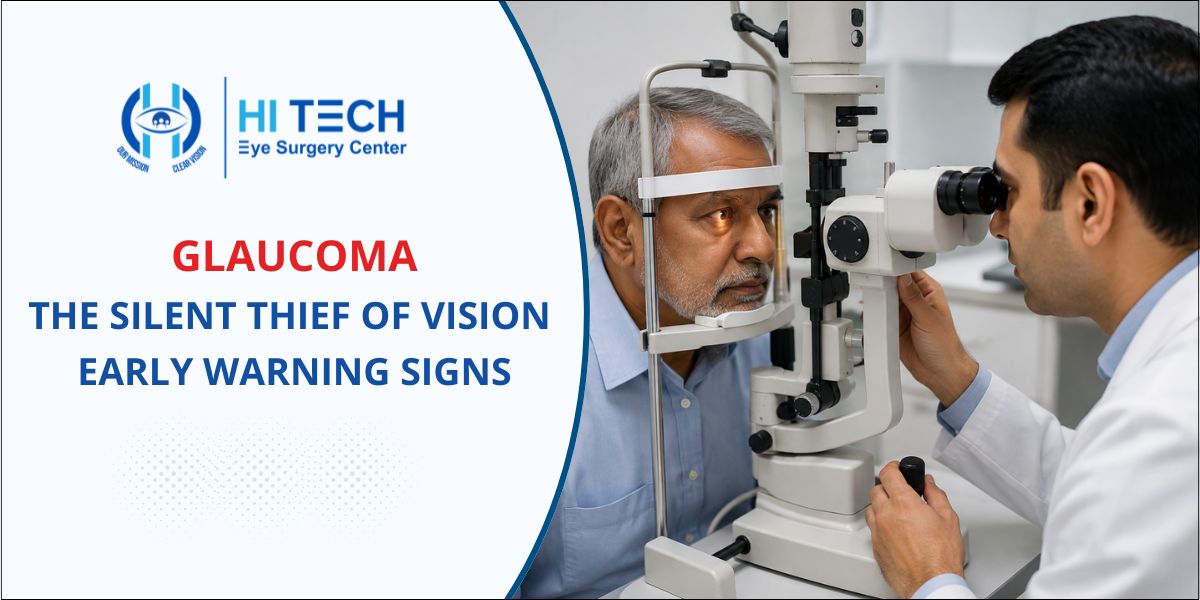
Glaucoma is one of the most serious eye conditions because it can slowly damage vision without causing noticeable symptoms in the early stages. It is often called the “silent thief of vision” because a person may not realize that their eyesight is being affected until permanent damage has already occurred.
Glaucoma usually develops when increased pressure inside the eye damages the optic nerve, which carries visual information from the eye to the brain. Early detection and timely treatment can help protect the remaining vision and reduce the risk of severe sight loss.
What Is Glaucoma?
Glaucoma is a group of eye diseases that cause progressive damage to the optic nerve. This damage is often associated with increased intraocular pressure, although glaucoma can also occur when eye pressure is within the normal range.
The disease may affect one or both eyes and can progress slowly over several years. Since vision lost due to glaucoma generally cannot be restored, regular eye examinations are essential.
Why Is Glaucoma Called the Silent Thief of Vision?
In many cases, glaucoma does not cause pain or obvious changes in eyesight during its early stages. A person may continue their daily activities normally while peripheral vision is gradually being affected.
As the disease progresses, more areas of vision can be lost. Without treatment, advanced glaucoma can lead to severe visual impairment or blindness.
Early Warning Signs of Glaucoma
Although early glaucoma may have no symptoms, certain signs should encourage you to schedule an eye examination.
1. Gradual Loss of Peripheral Vision
One of the common changes associated with glaucoma is the gradual loss of side or peripheral vision. Because this happens slowly, people may not notice it initially.
Difficulty seeing objects from the side, bumping into things, or noticing changes while driving may require an eye examination.
2. Blurred or Hazy Vision
Occasional or persistent blurred vision can have many causes, including glaucoma. If blurred vision occurs repeatedly or does not improve, an eye specialist should evaluate the eyes.
3. Eye Pain or Headache
Some types of glaucoma, particularly acute angle-closure glaucoma, can cause sudden and severe symptoms such as eye pain, headache, blurred vision, nausea, vomiting, and halos around lights. This can be an emergency and requires immediate medical attention.
4. Halos Around Lights
Seeing colored rings or halos around lights, especially when combined with eye pain or blurred vision, should not be ignored. Prompt evaluation can help identify potentially serious eye problems.
5. Redness and Eye Discomfort
Sudden eye redness, discomfort, or a feeling of pressure in the eye may occur with certain forms of glaucoma. These symptoms require professional assessment rather than self-treatment.
Who is at Higher Risk of Glaucoma?
Certain factors can increase the risk of developing glaucoma. These include:
- Increasing age
- A family history of glaucoma
- Diabetes
- High eye pressure
- Previous eye injury
- Certain medications, including prolonged steroid use
- Severe short-sightedness or other eye conditions
Having a risk factor does not necessarily mean that a person will develop glaucoma. However, regular eye examinations become particularly important when several risk factors are present.
How Is Glaucoma Diagnosed?
A comprehensive eye examination can help detect glaucoma before significant vision loss occurs. An eye specialist may check eye pressure, examine the optic nerve, evaluate the drainage angle, test peripheral vision, and assess the thickness and structure of the cornea and optic nerve.
These tests are important because measuring eye pressure alone cannot always identify glaucoma. Regular monitoring allows doctors to detect changes and decide whether treatment is required.
Glaucoma Treatment Options
Treatment depends on the type and severity of glaucoma. The main goal is to prevent or slow further optic nerve damage.
1. Eye Drops and Medicines
Prescription eye drops are commonly used to lower eye pressure. Some patients may require more than one medication or regular monitoring to maintain adequate pressure control.
2. Laser Treatment
Laser procedures may improve fluid drainage from the eye and help reduce eye pressure in suitable patients. The type of laser treatment depends on the individual’s condition.
3. Glaucoma Surgery
When medicines or laser treatment do not adequately control eye pressure, glaucoma surgery may be recommended. Surgical procedures aim to improve the drainage of fluid from the eye and protect the optic nerve from further damage.
Why Regular Eye Check-Ups Matter
The most important thing to remember about glaucoma is that you should not wait for symptoms before getting your eyes checked. Since early glaucoma can be difficult to notice, routine eye examinations are particularly valuable for people over 40 and those with a higher risk of the disease.
Early diagnosis allows treatment to begin before significant vision is lost. Although existing glaucoma-related vision loss is generally permanent, appropriate treatment can help preserve useful vision for many years.
Glaucoma Surgery in Pune: Expert Evaluation and Timely Treatment at Hi Tech Eye Surgery Center
For patients looking for Glaucoma Surgery in Pune, Hi Tech Eye Surgery Center provides timely evaluation and comprehensive glaucoma care. An evaluation by an experienced eye specialist can help determine the most appropriate treatment based on the type and severity of glaucoma. Patients experiencing changes in peripheral vision, persistent eye discomfort, or other concerning symptoms should seek a comprehensive eye examination rather than waiting until vision loss becomes noticeable.


