

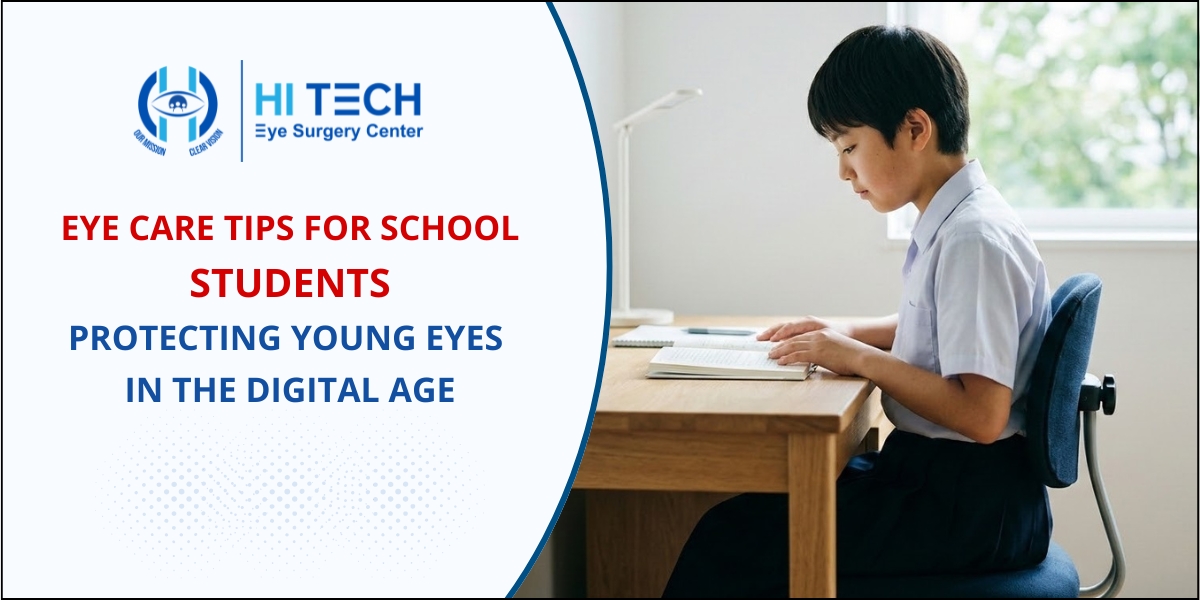
Eye Care Tips for School Students: Protecting Young Eyes in the Digital Age
Good vision plays a vital role in a student’s academic performance, sports activities, and overall development. With increasing screen time from online learning, smartphones, tablets, and computers, eye strain among school-going children has become a growing concern. Parents often search for terms like “eye care tips for students,” “how to improve eyesight naturally,” “screen time effects on children’s eyes,” and “best eye hospital for kids” to ensure their children maintain healthy vision.
This blog covers essential eye care tips that can help school students protect their eyesight and prevent common vision problems.
Why Eye Health is Important for Students
Children rely heavily on their vision for reading, writing, learning, and participating in extracurricular activities. Undiagnosed eye problems can lead to:
- Difficulty concentrating in class
- Poor academic performance
- Frequent headaches
- Eye strain and fatigue
- Reduced confidence during sports and activities
Regular eye care helps detect vision issues early and ensures optimal learning and development.
1. Follow the 20-20-20 Rule
One of the most effective ways to reduce digital eye strain is the 20-20-20 rule.
Every 20 minutes:
- Look at something 20 feet away
- For at least 20 seconds
This simple habit relaxes the eye muscles and reduces fatigue caused by prolonged screen use.
2. Limit Screen Time
Excessive use of smartphones, tablets, laptops, and gaming devices can cause:
- Dry eyes
- Blurred vision
- Eye strain
- Headaches
Parents should encourage balanced screen usage and ensure children take regular breaks during study sessions.
Recommended Tips:
- Avoid screens during meals.
- Limit recreational screen time.
- Encourage outdoor activities instead.
3. Maintain Proper Reading Distance
Students should maintain a comfortable distance while reading books or using digital devices.
Ideal Distance:
- Books: 14–16 inches from the eyes
- Computer screens: 20–28 inches away
Avoid reading while lying down, as it puts unnecessary strain on the eyes.
4. Ensure Good Lighting
Poor lighting can make the eyes work harder.
Best Practices:
- Study in a well-lit room.
- Avoid glare from screens.
- Use a study lamp when reading at night.
- Position screens to reduce reflections.
5. Encourage Outdoor Activities
Research suggests that spending time outdoors may help reduce the risk of developing myopia (nearsightedness) in children.
Benefits of Outdoor Play:
- Better eye focusing ability
- Reduced risk of progressive myopia
- Improved physical health
- Less screen dependency
Aim for at least 1–2 hours of outdoor activity daily.
6. Eat Eye-Friendly Foods
A balanced diet supports healthy vision.
Nutrients Essential for Eye Health:
- Vitamin A
- Vitamin C
- Vitamin E
- Omega-3 fatty acids
- Zinc
- Lutein and Zeaxanthin
Eye-Healthy Foods:
- Carrots
- Spinach
- Broccoli
- Sweet potatoes
- Eggs
- Fish
- Citrus fruits
- Nuts and seeds
7. Stay Hydrated
Proper hydration helps maintain tear production and prevents dry eyes. Encourage students to:
- Drink enough water throughout the day
- Reduce excessive sugary drinks
- Carry a water bottle to school
8. Watch for Signs of Vision Problems
Parents and teachers should be alert to symptoms such as:
- Squinting frequently
- Sitting very close to the TV
- Complaints of headaches
- Excessive eye rubbing
- Difficulty reading the blackboard
- Poor concentration during studies
Early detection can prevent long-term vision issues.
9. Wear Protective Eyewear During Sports
Sports-related eye injuries are common among school children. Protective sports eyewear can help prevent:
- Eye injuries
- Corneal scratches
- Impact-related vision problems
Students involved in cricket, badminton, basketball, and other sports should use appropriate eye protection.
10. Schedule Regular Eye Checkups
Many vision problems develop gradually and may go unnoticed. Regular eye examinations help detect:
- Refractive errors (myopia, hyperopia, astigmatism)
- Squint (strabismus)
- Lazy eye (amblyopia)
- Eye infections
- Other pediatric eye conditions
Common Eye Problems in School Students
- Myopia (Nearsightedness) : Children have difficulty seeing distant objects clearly.
- Hyperopia (Farsightedness) : Nearby objects may appear blurry.
- Astigmatism : Causes distorted or blurred vision.
- Digital Eye Strain : Results from prolonged screen exposure.
- Dry Eyes : Common among students spending long hours on digital devices.
Tips for Parents
- Schedule annual eye examinations.
- Monitor screen time habits.
- Encourage outdoor play.
- Provide nutritious meals.
- Ensure proper study posture and lighting.
- Address vision complaints promptly.
About Hi Tech Eye Surgery Center Pune
For comprehensive eye care services in Pune, Hi Tech Eye Surgery Center Pune is dedicated to providing advanced diagnosis and treatment for a wide range of eye conditions. The center offers expert care for pediatric eye problems, refractive errors, cataracts, glaucoma, retinal disorders, and routine eye examinations. Equipped with modern diagnostic technology and experienced eye specialists, Hi Tech Eye Surgery Center focuses on delivering personalized treatment plans for patients of all age groups. Whether you are searching for “best eye hospital in Pune,” “children eye specialist in Pune,” or “advanced eye surgery center in Pune,” Hi Tech Eye Surgery Center is committed to helping patients achieve and maintain optimal eye health through quality ophthalmic care.


